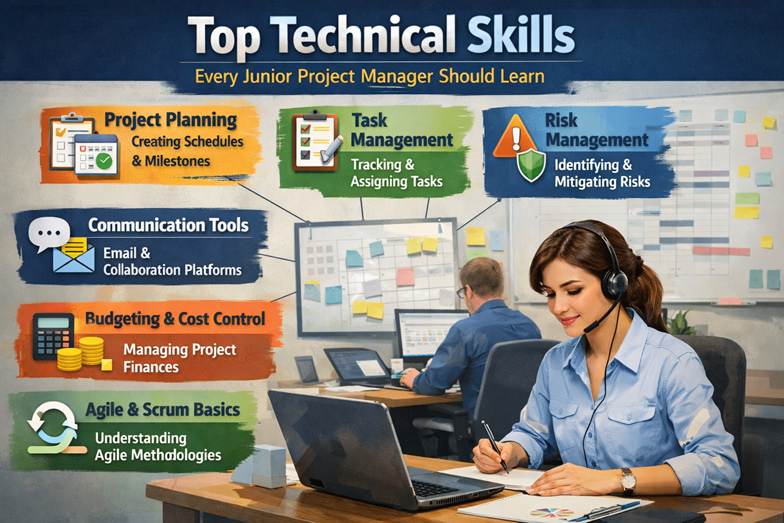
Navigating the PM landscape as a junior project manager can be both an exciting and challenging endeavor. With numerous responsibilities and expectations, it’s essential to equip yourself with the right technical skills to excel in this role. From mastering project management software to effective communication techniques, understanding these skills can set the foundation for a successful career.
In this article, we will explore the top technical skills every junior project manager should learn first. Whether you’re just starting or looking to refine your abilities, this guide aims to provide you with practical insights to enhance your project management capabilities.
Understanding the Role of a Junior Project Manager
Every successful project begins with a well-defined role. As a junior project manager, your primary responsibility is to support senior project managers in executing projects effectively. This includes organizing tasks, tracking progress, and ensuring that team members are aligned with project goals. Understanding the nuances of project management methodologies such as Agile, Scrum, or Waterfall will empower you to participate actively in team discussions and contribute to the planning and execution phases.
In addition to technical knowledge, a junior project manager must also develop a keen understanding of stakeholder expectations. This involves not only understanding their needs but also managing them throughout the project lifecycle. Maintaining transparency and effective communication is crucial, as stakeholders often have differing priorities and concerns. By grasping the broader context of your projects, you can better anticipate challenges and proactively address them.
Lastly, cultivating a mindset geared towards continuous learning is vital. The project management landscape is ever-evolving, with new tools and methodologies emerging regularly. By staying informed about industry trends and best practices, you position yourself as a valuable asset to your team and organization. This adaptability will not only enhance your skills but also boost your confidence when taking on new projects or challenges.
Essential Communication Skills for Effective Management
In the realm of project management, effective communication is the linchpin that holds everything together. As a junior project manager, developing strong verbal and written communication skills will enable you to convey project goals, progress updates, and expectations clearly. You will often find yourself drafting emails, creating reports, or presenting plans to stakeholders, so honing these skills is essential for ensuring everyone is on the same page.
Active listening is another vital aspect of communication that junior project managers should master. Engaging with your team during meetings and one-on-ones allows you to gather insights and feedback, which can be critical in making informed decisions. By fostering an environment where team members feel comfortable sharing their thoughts, you successfully cultivate a culture of openness and collaboration, which is crucial for project success.
Furthermore, adapting your communication style to suit various audiences is equally important. Whether you’re addressing technical experts, executive stakeholders, or team members, tailoring your message to resonate with each audience will enhance understanding and engagement. This skill not only improves relationships but also facilitates smoother project execution, as stakeholders are more likely to support initiatives they understand and feel connected to.
Mastering Project Management Software and Tools
A junior project manager must become proficient in various project management software tools to streamline workflows and enhance productivity. Familiarity with platforms like Microsoft Project, Trello, or Asana enables you to create project plans, set deadlines, and allocate resources effectively. Understanding how to utilize these tools to their fullest potential will help you manage tasks and track progress seamlessly, thereby increasing overall project efficiency.
In addition to standard project management software, gaining expertise in collaboration tools such as Slack or Microsoft Teams is equally valuable. These platforms facilitate real-time communication, file sharing, and integration with other tools, enabling your team to collaborate more effectively. As a junior project manager, being able to bridge the gap between different platforms ensures that information flows smoothly and that team members remain aligned.
Moreover, utilizing data analytics tools can provide you with insights into project performance. Familiarity with tools like Tableau or Microsoft Power BI allows you to transform raw data into actionable insights. By analyzing project metrics, you can identify trends, make data-driven decisions, and optimize project outcomes. Incorporating these skills into your toolkit not only enhances your capabilities but also positions you as a forward-thinking project manager committed to continuous improvement.
Learning to Create and Manage Project Timelines
Creating and managing project timelines is a fundamental skill for any junior project manager. Understanding how to break down a project into its individual components and establish realistic timelines is crucial for effective project delivery. Start by learning how to define key milestones, deadlines, and dependencies, which will serve as the backbone of your project schedule. Familiarity with Gantt charts or Kanban boards can be incredibly helpful in visualizing project timelines and ensuring your team stays on track.
Once you have established a timeline, continuous monitoring and adjustment are essential. Projects rarely go exactly as planned, so being flexible and adaptable is crucial. Regularly reviewing your project timeline and comparing it against actual progress allows you to identify potential delays or bottlenecks early on. By being proactive, you can mitigate issues before they escalate, ensuring that your project remains within scope and on schedule.
Furthermore, effective time management principles will greatly enhance your ability to create and manage timelines. Prioritizing tasks based on urgency and importance, utilizing tools like the Eisenhower Matrix, and setting achievable deadlines are all strategies that will aid in maintaining project momentum. By mastering the art of timeline management, you’ll be able to provide clearer updates to stakeholders and navigate challenges with greater ease.
Budgeting Basics: Financial Skills Every PM Needs
An essential aspect of project management involves budgeting and financial oversight. As a junior project manager, understanding the fundamentals of budgeting will allow you to monitor expenditures and ensure that projects remain financially viable. Familiarize yourself with key budgeting concepts such as estimating costs, tracking expenses, and managing resources to maximize your project’s financial health.
To effectively manage a project budget, you must learn how to create a detailed project budget that accounts for all potential costs, including labor, materials, and contingencies. Understanding how to develop a comprehensive budget not only helps in planning but also sets the stage for financial accountability throughout the project lifecycle. Regularly reviewing budget performance against actual spending will enable you to make informed decisions and take corrective actions when needed.
Additionally, gaining insights into forecasting and financial reporting can further enhance your budgeting skills. Familiarity with tools that help you create financial reports, such as Excel or specialized budgeting software, can streamline this process. By honing your financial acumen, you’ll be better equipped to communicate budgetary concerns to stakeholders and navigate discussions around resource allocation and project funding.
Risk Management: Identifying and Mitigating Issues
In project management, the ability to identify and mitigate risks is a critical skill that junior project managers must develop. Understanding the various types of risks such as operational, financial, or reputational allows you to create a robust risk management plan. Begin by familiarizing yourself with risk assessment techniques like SWOT analysis, which helps identify strengths, weaknesses, opportunities, and threats related to your project.
Once risks have been identified, the next step involves developing strategies to mitigate them. This may include contingency planning, risk transfer, or even avoidance strategies. Regularly revisiting and updating your risk management plan ensures that you stay ahead of potential issues. By being proactive rather than reactive, you can safeguard your project’s objectives and maintain stakeholder confidence.
Moreover, fostering a culture of risk awareness within your team is essential. Encourage open discussions about potential risks and empower team members to voice their concerns. By creating a safe environment where team members can contribute to risk management efforts, you enhance overall project resilience. This collaborative approach not only leads to better risk identification but also encourages a shared sense of ownership among team members.
Emphasizing Team Collaboration and Conflict Resolution
Effective team collaboration is central to successful project management. As a junior project manager, you will often be responsible for facilitating teamwork and ensuring that all members contribute toward shared goals. Building strong relationships among team members fosters a collaborative environment, allowing for open communication and knowledge sharing. Techniques such as team-building activities and regular check-ins can help cultivate these relationships.
When conflicts arise an inevitable part of teamwork having conflict resolution skills is crucial. Understanding various conflict resolution strategies, such as negotiation and mediation, will equip you to address issues promptly and effectively. By approaching conflicts with empathy and a problem-solving mindset, you can transform disagreements into opportunities for growth and collaboration, ultimately leading to stronger team dynamics.
Additionally, leveraging collaborative tools can enhance your team’s ability to work together harmoniously. Platforms that facilitate document sharing, task assignments, and real-time communication can reduce misunderstandings and streamline workflows. By prioritizing collaboration and conflict resolution, you create a more cohesive team that is better equipped to manage challenges and deliver successful project outcomes.
Navigating Stakeholder Engagement and Communication
Stakeholder engagement is a critical component of project management that junior project managers must grasp. Establishing and maintaining strong relationships with stakeholders can significantly impact project success. Understanding stakeholder needs and expectations allows you to tailor your communication and engagement strategies, ensuring that everyone remains informed and invested in the project’s progress.
One effective approach to stakeholder engagement is to create a stakeholder map that identifies key stakeholders and their interests. This visual representation helps you prioritize communication efforts and address concerns proactively. Regular updates and feedback loops will keep stakeholders engaged and can also help in managing their expectations throughout the project lifecycle.
Moreover, becoming adept at stakeholder communication can significantly influence project outcomes. Developing effective presentation skills will allow you to convey project status, challenges, and successes compellingly. Tailoring your messaging to suit different stakeholder personas will ensure that your communication resonates, fostering a sense of partnership and commitment to project goals.In conclusion, the journey of a junior project manager is filled with opportunities for growth and learning. By honing these top technical skills, you set yourself up for success in this dynamic role. From mastering project management software to effective stakeholder engagement, each skill plays a vital role in delivering successful project outcomes. As you embrace these skills, remember that continuous learning and adaptability are key to thriving in the ever-evolving field of project management. Equip yourself with these essential capabilities, and watch as your confidence and competence continue to grow.
Frequently Asked Questions (FAQ)
What technical skills should a junior project manager prioritise first?
A junior project manager should focus on core execution skills: proficiency in project management tools (e.g., scheduling and task tracking), clear communication, basic budgeting, and timeline management. These provide immediate impact and support day-to-day project delivery while building a foundation for more advanced competencies like risk modelling and data analytics.
How important is project management software at an early stage?
Very important. Tools such as task boards, Gantt charts, and collaboration platforms are central to modern project delivery. Early proficiency allows you to organise workflows, monitor progress, and improve team coordination. It also signals operational readiness to senior stakeholders.
Do junior project managers need to understand Agile and Waterfall?
Yes. While you may not lead methodology selection, understanding frameworks like Agile, Scrum, and Waterfall is essential. This knowledge enables you to contribute meaningfully in planning sessions, adapt to different project environments, and align with organisational delivery standards.
How can I improve communication skills in a project environment?
Focus on three areas: clarity, consistency, and audience awareness. Practice writing concise updates, actively listen during meetings, and tailor communication depending on whether you’re addressing executives, technical teams, or stakeholders. Strong communication reduces misalignment and increases project efficiency.
What is the best way to manage project timelines effectively?
Start by breaking work into manageable tasks, defining dependencies, and setting realistic milestones. Use visual tools like Gantt charts or Kanban boards. Regularly track progress against the plan and adjust proactively to avoid delays. Time management frameworks can also help prioritise effectively.
How much financial knowledge is required for a junior role?
You don’t need to be a finance expert, but you must understand budgeting basics, cost estimation, tracking actuals, and variance analysis. This ensures you can support budget control and flag potential overspend risks early.
What role does risk management play for junior project managers?
Risk management is critical. You should be able to identify common project risks, document them, and support mitigation planning. Being proactive in highlighting risks demonstrates awareness and adds value to project governance processes.
How can I handle conflicts within a project team?
Approach conflicts with a structured and neutral mindset. Focus on understanding both sides, identifying root causes, and facilitating resolution through collaboration. Strong interpersonal and mediation skills help maintain team cohesion and productivity.
Why is stakeholder management important at a junior level?
Even in a supporting role, you’ll interact with stakeholders. Understanding their expectations and maintaining regular communication helps build trust and prevents misalignment. Effective stakeholder engagement contributes directly to project success.
How can I continue developing my technical skills over time?
Adopt a continuous learning mindset. Stay updated on new tools, methodologies, and industry trends. Seek feedback from senior project managers, pursue certifications where relevant, and apply lessons learned from each project to improve performance incrementally.
Conclusion
Stepping into a junior project management role requires more than enthusiasm; it demands a structured approach to building the right technical capabilities early. From mastering project management tools and timelines to understanding budgeting fundamentals and risk management, these skills form the operational backbone of successful project delivery.
However, technical proficiency alone is not enough. The ability to communicate clearly, collaborate effectively, and engage stakeholders with confidence is what transforms a junior project manager from a task coordinator into a trusted delivery professional. In enterprise environments especially, where complexity, scale, and governance expectations are high, these combined capabilities become even more critical.
The key is prioritisation. Focus first on the skills that directly impact execution planning, tracking, communication, and tool proficiency then progressively build your expertise in financial oversight, risk mitigation, and stakeholder management. This layered approach ensures steady, measurable growth without becoming overwhelmed.
Finally, treat every project as a learning opportunity. The most effective project managers are those who continuously refine their approach, adapt to new tools and methodologies, and actively seek feedback. By committing to ongoing development and applying these core technical skills in real-world scenarios, you position yourself not just to succeed but to progress quickly within the project management profession.
Author Bio:
Michelle McKee is the founder of Projectmanagertemplate.com, a central repository of technical assets designed for global PMOs. To bridge the gap between execution and innovation, she also curates Projectblogs.com, a pulse on modern project trends, and Pmresourcehub.com, a dedicated strategic hub for governance documentation and architectural blueprints.