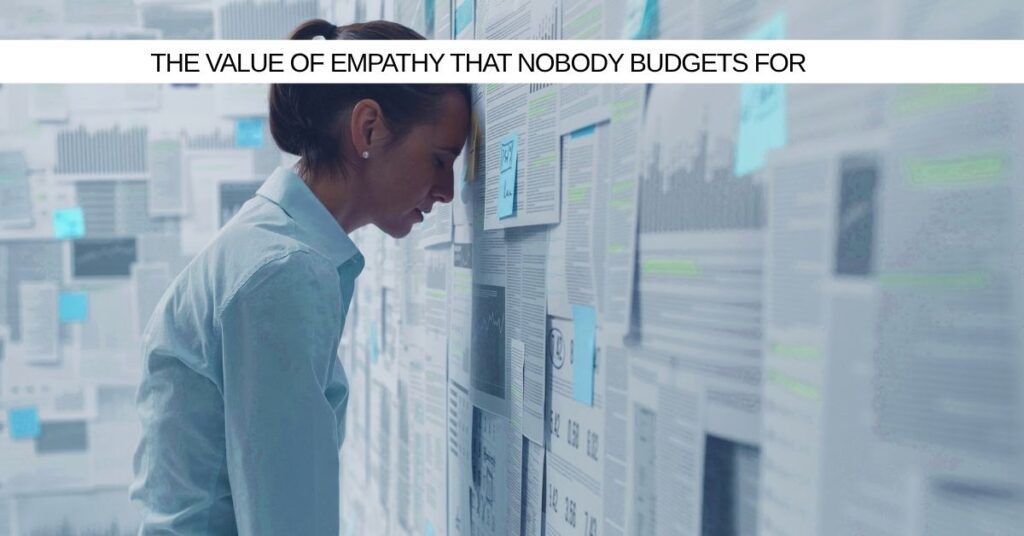

A satirical playbook for International Week of Happiness at Work: 7 “tactics” that guarantee burnout, turnover and endless hiring. Don’t do this.
Are you a happy CIO, PM or BA?
I hope so.
International Week of Happiness at Work is back for September 2026.
At Stoneseed, most of our Project Management as a Service (PMaaS) engagements come from a “happy place”. Either they are capacity-boosting, like when a growing organisation needs temporary project management, PMO or business analysis capability, or they need talent with skills and experience to complement their in-house teams as their needs evolve.
BUT …
Lately, we’ve noticed more enquiries that do not come from a happy place.
Lately, we have provided resources to businesses and organisations with chronic retention issues, burned-out colleagues, accountability gaps and other challenges that International Week of Happiness at Work was created to eradicate.
We prefer the “happy place engagements”.
But business is business, right?!
So, based on feedback from demotivated project teams, I’ve created the following playbook to keep your talent unhappy and generate more PMaaS business!
Implement these seven proven tactics consistently and, within no time at all, you’ll have a self-sustaining cycle of burnout, talent exits, and the thrilling rollercoaster excitement of desperate hiring. Great for external resource providers! Thank you very much!
Warning. Please Do Not Actually Do This. This is satire!
Happiness is a delivery strategy!
How to Keep Employees Unhappy – So You Always Need More External Talent
Tactic 1: Bury Project Managers in Administration
The move: Ensure every senior PM spends at least 60% of their week maintaining RAID logs, chasing status updates, reformatting steering committee packs, and updating five different tracking spreadsheets that don’t talk to each other.
Why it works: A 2026 APM poll conducted for International Week of Happiness at Work found 71% of project managers say their role harms their mental wellbeing. The culprit isn’t the work itself, it’s the cognitive overload of constant context switching between strategic decisions and administrative drudgery.
The result: Your best PMs stop solving problems and start surviving weeks. They leave. You hire PMaaS. Repeat.
Tactic 2: Make Flexibility Theoretical
The move: Publish a glossy “Flexible Working Policy” that sounds generous, then punish anyone who actually uses it. Schedule 4pm calls on Fridays. Expect instant Slack responses after hours. Reward the person who emails at 11pm and praise their “dedication.”
Why it works: Research consistently shows that work-life balance is a top driver of retention, yet many organisations treat it as lip service. When people feel punished for using flexibility, they don’t argue; they update their LinkedIn.
The result: You’ll retain only those with no other options. Everyone else goes where flexibility is real.
Tactic 3: Ignore the Mid-Career/Contract Dip
The move: Once someone hits 5–10 years in, stop offering fresh challenge, renewed visibility, or onward career routes. Let them stagnate in the same role, on the same type of project, with the same stakeholders.
Why it works: Mid-career professionals are capable and confident, yet increasingly without growth. HR analysts flag this as a major retention risk employers keep missing. No challenge equals no energy. No energy equals exit.
The result: Your most experienced PMs, exactly the people you need on complex programmes, depart for roles where they can grow. You backfill with PMaaS because “permanent hiring is too slow.”
Tactic 4: Skip Stay Interviews; Only Talk at Exit
The move: Wait until someone resigns before asking what’s wrong. Then file the exit interview in a folder nobody reads.
Why it works: Retention isn’t built on gimmicks; it’s built on making people feel seen, supported, and genuinely valued. Organisations that run pulse surveys quarterly (not annually) and conduct stay interviews catch energy drains before they become resignations.
The result: You’ll never know why people leave until it’s too late. Meanwhile, PMaaS partners will happily tell you what you should have asked six months ago.
Tactic 5: Treat Managers as Taskmasters, Not Coaches
The move: Promote your best technical PMs into people management without training. Expect them to drive delivery targets while managing underperformance, workload triage, and wellbeing conversations – alone.
Why it works: In organisations where people say accountability exists, 90% report being happy at work. But accountability without support is just pressure. Managers who aren’t equipped to coach become bottlenecks, and their teams leave.
The result: You create a layer of stressed managers leading stressed teams. PMaaS steps in to “stabilise delivery” while your culture quietly erodes.
Tactic 6: Measure Hours, Not Outcomes or Energy
The move: Celebrate the PM who works weekends. Ignore the one who delivers the same outcome in less time by protecting team energy. Track “utilisation” as a virtue, even when it means chronic overtime.
Why it works: The happiest employees are six times more energised than their less happy peers, and energy drives efficiency and creativity. Yet many IT-led organisations still equate long hours with commitment, not poor planning.
The result: Burnout becomes a badge of honour. High performers opt out. You bring in PMaaS to “fill the gap” you created.
Tactic 7: Treat Happiness as HR’s Problem, Not a Delivery Risk
The move: When someone flags wellbeing concerns, refer them to an EAP brochure. Never connect happiness to programme continuity, stakeholder trust, or delivery velocity.
Why it works: This is where the satire ends and the data bites. Happy employees are:
12–13% more productive (University of Warwick; Oxford Saïd Business School with BT)
Up to 2× as productive in some measures (according to iOpener Institute’s 18-year, 60,000-participant study)
Taking one-tenth the sick leave of the least happy colleagues
Intending to stay twice as long with their organisations
Happiness isn’t a soft metric; it’s a capacity lever.
The result: You’ll keep treating retention as a hiring problem, not a delivery design problem. Your PMaaS partner will keep thanking you for the extra business.
OK … Why You Shouldn’t ACTUALLY Do This
On reflection, while this is a potential market growth area – please do not do any of this! The thing is though, this should reads like a cautionary tale.
In my experience, the opposite “playbook” is where CIOs win:
Reduce cognitive overwhelm by using PMaaS talent to share the load, so internal PMs focus on business specific decisions, risk, and stakeholder value.
Scale external support flexibly during peaks (cloud migrations, transformations) rather than overloading permanent staff.
Install retention-aware practices, like quarterly pulse checks, stay interviews (exit interviews are common – why not stay interviews?), one CIO I work with holds a regular workload triage, and coaching should be regular and consistent rather than something you only do after a post-mortem.
Measure what matters. Do you measure (or even ask about) talent’s intent to stay? Do you chart absence rates and regrettable or avoidable turnover? What about team energy? Some things are more important than Gantt variance!
I reckon that a delivery model that treats happiness as a capacity issue/opportunity (which, by the way, it is) is the winning approach every time.
This International Week of Happiness at Work – let’s all focus on making project environments the happiest of workplaces.
More about Project Management as a Service from Stoneseed
Sources And Inspiration
Channel Eye Media – International Week of Happiness at Work: More than just a positive attitude
Project Accelerator / Stoneseed – What’s Stopping You Being the Happiest Project Manager on Earth?
https://www.stoneseed.co.uk/the-happiest-project-manager/
MIT Sloan Review – What Gets Your Best Employees to Stay (Aug 2026)
HR Review – Kimberley Rowbottom: The mid-career dip (Aug 2026)
World at Work – How to Retain Top Talent in a Budget-Limited Environment (Aug 2026)
Forbes – 20 Employee Retention Strategies That Go Beyond Pay Raises (Sept 2026)
Sariio.ai – Engagement, Satisfaction, Happiness: Which One Actually Predicts Performance? (Aug 2026)
Sam Silverstein Research – *Accountability & Culture Research* (Aug 2026)
Kate Cook – 6 Powerful Employee Wellbeing Initiatives for Retention (Aug 2026)
K2 Staffing – Construction Talent Retention Metrics That Drive Results (Aug 2026)